Understanding Residential Wiring Systems
These systems consist of service panels, circuit breakers, distribution wiring, and connection points that work together to deliver electricity safely and efficiently. Proper residential wiring accounts for current electrical demands while allowing for future expansion as technology needs evolve. In Milwaukee’s older neighborhoods, many homes still contain outdated wiring systems that cannot handle today’s electrical loads from multiple devices, appliances, and charging equipment. Upgrading these systems prevents circuit overloads, reduces fire risks, and ensures reliable power distribution. Modern residential wiring incorporates ground fault circuit interrupters in wet areas, arc fault circuit interrupters in living spaces, and dedicated circuits for high-demand appliances. The installation process requires careful planning to route wiring through walls, ceilings, and floors while maintaining structural integrity and meeting local building codes.
Licensed electricians assess your home’s power requirements, calculate appropriate circuit capacities, and install wiring that meets both current needs and anticipated future demands. Quality residential wiring uses proper gauge conductors, secure connections, and appropriate protection devices to prevent electrical failures. The system must integrate seamlessly with your home’s architecture while providing convenient access to power throughout living spaces, kitchens, bathrooms, and outdoor areas.
Commercial Power Distribution Planning
Commercial power distribution systems require sophisticated planning to accommodate the diverse electrical demands of business operations, from lighting and climate control to specialized equipment and data infrastructure. These systems must deliver reliable three-phase power to manufacturing equipment, consistent voltage for sensitive electronics, and redundant circuits for critical operations that cannot tolerate interruptions. Effective commercial power distribution begins with load analysis that identifies peak demand periods, equipment startup requirements, and potential expansion needs. Wisconsin’s variable climate creates additional considerations, as heating demands during harsh winters and cooling requirements during humid summers significantly impact electrical load calculations.
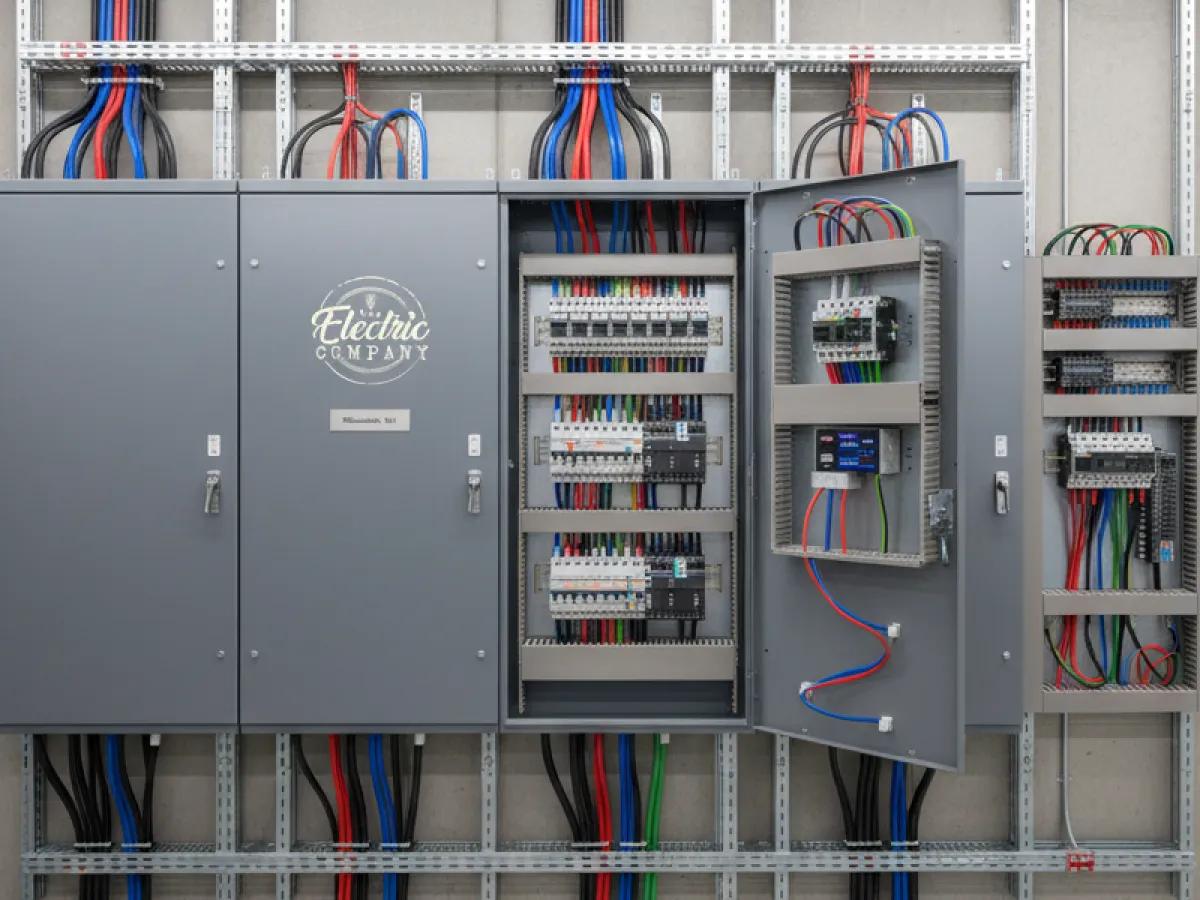
Commercial installations often include multiple service panels strategically located throughout a facility to minimize voltage drop and provide convenient access for maintenance. Distribution planning accounts for equipment placement, workflow patterns, and safety regulations that govern workplace electrical systems. Modern commercial installations incorporate energy monitoring capabilities, allowing business owners to track consumption patterns and identify opportunities for efficiency improvements. The infrastructure must support diverse electrical needs, from standard 120-volt outlets for office equipment to 208-volt or 480-volt circuits for industrial machinery and HVAC systems. Proper commercial power distribution includes backup circuits for essential systems, isolated grounds for sensitive electronics, and surge protection to prevent equipment damage from voltage spikes. Licensed electricians coordinate with architects, general contractors, and equipment suppliers to ensure electrical infrastructure aligns with operational requirements and building timelines.
Service Panel Upgrades and Capacity Enhancement
Service panel upgrades address the growing electrical demands of modern properties by increasing capacity, adding circuit positions, and incorporating advanced safety features that protect against electrical hazards. Many older properties operate with 100-amp or 150-amp service panels that struggle to handle contemporary electrical loads from electric vehicle chargers, central air conditioning, electric water heaters, and numerous electronic devices. Upgrading to 200-amp service provides sufficient capacity for current needs while accommodating future additions like home additions, workshop equipment, or renewable energy systems. The upgrade process involves replacing the main service panel, installing new circuit breakers, updating grounding systems, and ensuring all connections meet current electrical codes. Service panel enhancements also provide opportunities to reorganize circuits, eliminate double-tapped breakers, and correct unsafe wiring practices from previous installations. Modern panels feature clearly labeled circuits, adequate space between breakers for safe operation, and main disconnects that allow quick power shutdown during emergencies.
Properties undergoing major remodels benefit from service upgrades that support expanded electrical infrastructure without overloading existing systems. The process requires coordination with utility companies to install appropriate meter bases and service conductors that connect your property to the power grid. Licensed electricians assess your property’s electrical demands, calculate appropriate service capacity, and design panel configurations that provide both safety and convenience. Quality service panels include proper bonding and grounding, weatherproof enclosures for outdoor installations, and surge protection devices that guard against voltage spikes from lightning and grid fluctuations.
Lighting and Fixture Installation Solutions
Lighting and fixture installations transform properties through strategic illumination that enhances functionality, safety, and aesthetic appeal while reducing energy consumption through efficient technologies. Modern lighting design incorporates layered approaches that combine ambient, task, and accent lighting to create versatile spaces adaptable to different activities and moods. Interior fixture installations range from recessed can lights that provide clean, unobtrusive illumination to statement chandeliers that serve as architectural focal points in dining rooms and entryways. Kitchen lighting requires particular attention, with under-cabinet fixtures illuminating work surfaces, pendant lights defining island spaces, and recessed lighting providing overall room brightness. Bathroom installations must account for moisture resistance, providing appropriate fixtures around showers and tubs while delivering shadow-free lighting at vanities for grooming tasks. Outdoor lighting installations extend usable space beyond interior walls, with pathway lights guiding safe navigation, security lights deterring intruders, and accent lights highlighting architectural features and landscaping.
Properties throughout the Milwaukee area benefit from seasonal lighting considerations, with extended darkness during winter months increasing the importance of well-planned exterior illumination for safety and security. Installation projects include running appropriate wiring to fixture locations, installing proper junction boxes that support fixture weight, and connecting switches that provide convenient lighting control. Modern installations often incorporate dimmer controls that adjust brightness levels, motion sensors that activate lights when needed, and timer systems that automate lighting schedules. Energy-efficient LED technology has revolutionized lighting installations, providing superior illumination while reducing electrical consumption and minimizing heat output that can burden cooling systems during summer months.
Specialized Circuit and Outlet Installation
Specialized circuits and outlets address specific electrical requirements for appliances, equipment, and technologies that demand dedicated power sources separate from general household circuits. High-demand appliances like electric ranges, dryers, and central air conditioning systems require dedicated circuits with appropriate amperage ratings and voltage specifications to operate safely and efficiently. Electric vehicle charging stations represent a growing installation category, requiring 240-volt circuits with 40-amp or 50-amp capacity to provide reasonable charging times for modern electric vehicles becoming increasingly common throughout Wisconsin. Home office installations benefit from dedicated circuits that prevent computer equipment, printers, and networking devices from interfering with other household electrical usage. Workshop and garage spaces require specialized outlets that support power tools, welding equipment, and other machinery that draws substantial current during operation.
Ground fault circuit interrupter outlets provide essential protection in bathrooms, kitchens, laundry rooms, and outdoor locations where moisture creates shock hazards. Arc fault circuit interrupters protect bedrooms and living spaces by detecting dangerous arcing conditions that can ignite fires within walls. USB-integrated outlets accommodate modern charging needs, providing convenient power for smartphones, tablets, and other devices without requiring separate charging adapters. Weatherproof outdoor outlets extend electrical access to patios, decks, and yard areas for landscape lighting, outdoor entertainment systems, and seasonal decorations. Proper outlet installation includes secure mounting boxes, appropriate wire connections, and correct placement heights that meet accessibility standards while maintaining aesthetic appeal. Basement finishing projects require careful outlet planning that accounts for furniture placement, entertainment centers, and potential future uses of flexible living spaces.